A Southern Food History
The Lowcountry Groundnut: A History of the Southern Boiled Peanut
To fully appreciate how a humble subterranean legume transformed into a defining emblem of Southern identity—eventually recognized in 2006 as the official state snack of South Carolina—one must look beyond the roadside stands and gas station crockpots of the modern highway. The true history of the boiled peanut requires a journey backward through time, tracing a path that winds from the ancient trading routes of South America to the tragic holds of the Transatlantic slave trade, through the desperate campfires of the Civil War, and into the vibrant autumn community celebrations of the rural South.
To understand the botanical foundation of this culinary tradition, we must first look to the earth itself. The plant known scientifically as Arachis hypogaea is a peculiar member of the Fabaceae family. Though colloquially dubbed a "nut," the peanut is a true legume, more closely related to a field pea or a lentil than to a pecan or a walnut. Its unique reproductive habit, known as geocarpy, seems almost designed for secrecy and survival. Nature, in one of her more eccentric moods, decided that this particular plant should not display its fruit proudly upon a branch like an honest apple or a respectable peach. Instead, after the yellow blossoms of the plant are pollinated above ground, the flower stalks elongate and bend downward, driving themselves deep into the soil like a guilty dog burying a bone. It is there, in the dark, hidden safety of the earth, that the seed pods develop and mature. Indigenous to the tropical regions of South America, particularly the valleys of Peru and Brazil, the peanut was cultivated for thousands of years by native populations who recognized its incredible nutritional density. Spanish and Portuguese explorers encountered the subterranean crop in the sixteenth century, marveling at its ability to thrive in poor soils and its long shelf life when dried. However, the European explorers did not immediately bring the peanut to the shores of North America to establish fields; instead, they carried it across the Atlantic to the coastal trading posts of West Africa.
It was in West Africa that the peanut found its first major cultural synthesis with a population that already possessed a profound understanding of underground agriculture. For centuries, West African farmers had cultivated the Bambara groundnut (Vigna subterranea) and the Hausa groundnut, utilizing traditional cooking methods that favored boiling, stewing, and mashing these legumes into rich, protein-dense stews. When the European slave trade devastated the African continent, the New World peanut was adopted as a vital, high-calorie ration used to sustain captive human cargo during the agonizing voyage of the Middle Passage. Human cruelty has a way of inadvertently marching hand-in-hand with agricultural migration. Enslaved Africans carried not only the physical seeds of the peanut across the ocean but also an irreplaceable repository of agricultural wisdom and culinary technique. Arriving on the shores of the American South, particularly in the bustling port cities like Charleston and Savannah, these individuals planted the seeds in the marginal soils of their small provision grounds and slave quarters. The peanut became an essential tool of survival, providing critical sustenance to a population subjected to brutal labor and meager rations.
During this early colonial period, the peanut was virtually ignored by the wealthy white planter class, who viewed it as low-class sustenance fit only for livestock or enslaved laborers. A wealthy planter of the grand style would no more be caught chewing on a peanut than he would be caught walking down the street without his top hat. It was during this era that the linguistic heritage of the snack took root. The KiKongo word for peanut, nguba, was carried across the Atlantic and gradually softened by the cadence of Southern speech into the word "goober"—a term that remains inextricably linked to the peanut to this day. In the small garden plots adjacent to slave cabins, the traditional African method of preparing groundnuts was reborn. Because fresh, green peanuts dug straight from the earth are high in moisture and highly perishable, they could not be stored in barns like dried grains. The most logical, efficient, and culturally familiar method of preservation and preparation was to submerge the freshly dug pods into pots of water, heavily seasoned with salt or whatever wood ash and sea salt were available, and simmer them over an open fire until the shells softened and the seeds inside became tender, rich, and savory.
For nearly two centuries, the boiled peanut remained a highly localized, domestic foodway, largely confined to the plantation micro-economies of the coastal South and the immediate communities of enslaved people and poor white farmers who lived in close proximity to them. This isolation, however, was violently disrupted by the outbreak of the American Civil War in 1861. As the conflict escalated, the Union Navy implemented a sweeping blockade of Southern ports, effectively choking off the Confederacy’s access to imported goods, manufactured commodities, and basic food supplies. Salt became a precious luxury, coffee disappeared entirely, and the sophisticated food distribution systems of the South crumbled. When a nation goes to war, the high-flown rhetoric of politicians invariably gives way to the base reality of the stomach. In this environment of desperate scarcity, Confederate soldiers marching through the rural landscape had to rely on whatever forage the earth could provide. As armies moved through the peanut-producing regions of Virginia, the Carolinas, and Georgia during the late summer and autumn harvest seasons, soldiers discovered vast fields of Arachis hypogaea ready for digging.
The peanut suddenly shifted from a neglected subsistence crop to a vital engine of military survival. When Confederate troops set up camp for the night, they would dig up the fresh, green peanuts from nearby fields, build fires, and boil the legumes in whatever tin mess kits or cast-iron pots they could find. The boiling process served a dual purpose: it rendered the tough, dirty shells malleable and sanitized, and it created a warm, calorie-dense, and deeply comforting meal for exhausted, malnourished men. The ubiquity of the legume during the war was forever codified in the cultural memory of the nation through the popular folk song "Eating Goober Peas," a satirical ditty sung by Confederate soldiers to mock their own plight and celebrate their reliance on the humble peanut. The song, which describes soldiers sitting by the roadside passing the time away while cracking and eating their boiled rations, introduced the terminology and the concept of the peanut to a much wider audience, including Union soldiers who returned to the North with a newfound familiarity with the Southern "goober."
When the smoke of the Civil War cleared and the South entered the long, painful era of Reconstruction, the region's agricultural landscape underwent a dramatic transformation. The plantation system had collapsed, and the invention of the cotton gin, followed closely by the devastating invasion of the boll weevil in the early twentieth century, forced Southern farmers to diversify away from their historical reliance on King Cotton. That little gray beetle, the boll weevil, did more to revolutionize Southern farming than a century of academic debates, leaving the cotton fields looking like they’d been hit by a plague of small, insatiable demons. It was during this pivotal moment that visionary agricultural scientists like George Washington Carver of the Tuskegee Institute began advocating for the widespread cultivation of the peanut. Carver recognized that the peanut was not only an exceptional source of protein and oil for an impoverished region, but as a legume, it also possessed nitrogen-fixing properties that could restore and revitalize the exhausted, cotton-depleted soils of the South. As thousands of acres of sandy Southern soil were converted from cotton to peanut production, the sheer volume of the harvest skyrocketed, setting the stage for the boiled peanut to transition from a food of wartime necessity into a celebrated cultural ritual.
The true golden age of the boiled peanut as a communal anchor began in the late nineteenth century and extended well into the mid-twentieth century, deeply tied to the natural rhythms of the agrarian calendar. Because the peanut harvest occurs during a brief window between late August and October, the abundance of "green" peanuts—those freshly dug from the ground and not yet subjected to the commercial drying kilns—created an immediate culinary emergency. Green peanuts, possessing a moisture content of over thirty percent, will rapidly spoil, mold, and rot if left at room temperature for more than a few days. Before the advent of widespread residential refrigeration, the only way to enjoy the unique, buttery texture of the fresh harvest was to cook it immediately. This biological reality gave birth to a beloved rural tradition known as the "peanut boiling."
A peanut boiling was far more than a cooking session; it was a highly anticipated social institution that brought together extended families, neighbors, and entire rural communities. There is nothing on this green earth quite like a country gathering under a crisp October moon, where the pretense of high society is completely washed away by the steam of a communal cauldron. As the autumn evenings began to cool, a large wash pot or cast-iron cauldron would be set up in a backyard, clearing, or church grove. The pot would be filled with water, a generous amount of coarse rock salt would be added, and a roaring wood fire would be stoked beneath it. The fresh green peanuts, still coated in the fragrant, damp earth of the fields, would be thoroughly washed in tubs before being dumped into the boiling brine. For hours, as the steam rose into the cool night air carrying the distinct, earthy, bean-like aroma of cooking peanuts, people would gather around the fire. It was a time for storytelling, political debates, musical performances, and courtship. Elders would supervise the pot, testing the peanuts periodically to ensure the texture had reached the perfect stage of tenderness—soft enough to give way easily between the teeth, yet retaining a slight, satisfying toothsome quality. When the batch was deemed ready, the peanuts were ladled out into wooden bushels or damp burlap bags, and the crowd would feast, discarding the soggy, salty shells directly onto the ground.
As the twentieth century progressed and the Southern population began to migrate from rural farms to expanding urban centers like Atlanta, Birmingham, and Charlotte, the boiled peanut refused to be left behind in the fields. Street vendors and enterprising entrepreneurs recognized that the nostalgic craving for the rural harvest was a powerful economic force. By the 1920s, the sight of street carts equipped with steaming cauldrons became common on urban street corners and near industrial factories. Vendors would sell warm, grease-spotted brown paper bags filled with boiled peanuts to workers on their lunch breaks or to families strolling through public parks. Even the high society of the South succumbed to the allure of the snack. A notable 1925 article in The Atlanta Constitution observed with a touch of amusement that the boiled peanut, once viewed as the exclusive domain of the rural poor, had successfully infiltrated the elegant tea rooms and fashionable sporting events of the city's elite, where it was served alongside delicate finger sandwiches and iced tea. It was a glorious victory for the humble goober, proving that when it comes to the stomach, a high-born lady and a factory hand are driven by the exact same brand of human nature.
The anatomy of a perfect boiled peanut is a masterclass in culinary simplicity, requiring only three fundamental elements: green peanuts, water, and salt. The choice of peanut is paramount. ONLY VALENCIA PEANUTS MAKE PROPER BOILED PEANUTS. Period, end of discussion. Also, while dried raw peanuts can be rehydrated and boiled year-round through a prolonged soaking process, any purist will argue that a rehydrated peanut is a pale imitation of a true green peanut. Attempting to make a proper boiled peanut out of a dried, desiccated legume is like trying to resurrect a ghost by dressing it up in a new suit of clothes; the form may be there, but the spirit has long since departed. The green peanut retains its natural sugars, volatile oils, and cellular structure, allowing it to absorb the salt brine while transforming into a rich, almost custard-like texture that dried nuts can never truly replicate. The cooking process is an exercise in patience, requiring hours of slow, continuous boiling.
The role of salt in this process cannot be overstated. It is not merely a topical seasoning but a structural agent that penetrates the porous outer shell, infusing the legume within and drawing out its natural, earthy sweetness. Over the decades, variations on the classic recipe have emerged across different sub-regions of the South. In some communities, particularly across Louisiana and Mississippi, the traditional salt brine is augmented with heavy doses of cayenne pepper, garlic powder, and crab boil seasoning, producing a fiery, spicy variant that reflects the culinary influence of Cajun and Creole flavor profiles. In other areas, wood smoke from the fire is allowed to intentionally flavor the steam, adding a subtle, rustic complexity to the finished product. Regardless of the specific seasoning tweak, the fundamental sensory experience remains unchanged: the satisfying pop of the wet shell, the release of a small pocket of warm, savory broth, and the immediate, melting tenderness of the peanut on the tongue.
In the contemporary landscape of the American South, the boiled peanut occupies a unique and fiercely guarded cultural space. Unlike other historic Southern staples such as fried chicken, barbecue, or biscuits, which have been widely co-opted, industrialized, and exported across the globe by fast-food franchises and high-end metropolitan restaurants, the boiled peanut has stubbornly resisted mass-commercialization. It remains an inherently hyper-regional, experiential food. While canned versions can occasionally be found on supermarket shelves, any true Southerner knows that a processed, shelf-stable boiled peanut loses the very soul of what makes the snack magical. It is a food that demands to be consumed in a specific context—purchased from a hand-painted plywood sign on the side of a two-lane highway, scooped out of a bubbling propane tank by a vendor who has spent the day tending the flame, and eaten while standing outdoors, letting the salt water drip down your forearms.
Ultimately, the history of the boiled peanut is a testament to the enduring power of food as a vessel for human memory and cultural continuity. It is a dish born of displacement and survival, forged in the crucible of institutional cruelty and wartime deprivation, and preserved through generations of community celebration and agricultural pride. It connects the modern digital age to an older, slower, and more elemental Southern past, serving as a reminder of the generations of hands—from West African farmers to Civil War soldiers, from sharecroppers to roadside vendors—that have dug into the earth to harvest and prepare this simple, subterranean treasure. For as long as the autumn leaves turn golden in the lowcountry, and for as long as men possess the good sense to sit by the roadside, crack open a soggy shell, and let the world spin along without them for an hour or two, the boiled peanut will remain a permanent, cherished chapter in the grand culinary narrative of the American South.

Anchor of the Southern Table: A History of Grits and Hominy
Well, now. If you take a standard, cold-blooded Yankee and drop him squarely into the middle of the piney woods of Georgia or the blackwaters of the South Carolina Lowcountry, you will witness a comedic spectacle of the highest order. He will look upon a steaming plate of grits with the same shuddering suspicion a cat reserves for a dynamic downpour of rain. He will gingerly poke at that pale, bubbling mush with a timid fork, clear his throat, and demand to know why a perfectly civilized society has seen fit to cook up a plate of wet sawdust for breakfast. He cannot comprehend, in his dry-roasted ignorance, that across these sweeping coastal plains, the red clay hills, and the forgotten crossroads of the South, grits are nothing short of a cultural sacrament.
To understand where this stuff comes from, you have to look down at the dirt. The plant we are dealing with here is corn—but not that sweet, yellow dandy you eat off the cob in July. No, sir, this was a hard, starchy, stubborn grain known as dent corn. Left to itself, a mature kernel of dent corn is about as easy to chew as a gravel stone and twice as likely to break a tooth. The Native Americans—the Creeks, the Cherokees, and the Choctaws—looked at this problem and invented a piece of chemistry that would make a modern professor scratch his head. They took that rock-hard corn and boiled it in a potent brew of water and clean wood ash or burnt mussel shells.
Now, a Yankee might think boiling your dinner in laundry lye sounds like a first-rate way to poison the whole family, but it was pure genius. That alkaline bath did something miraculous. It stripped off the tough, useless outer skin of the kernel, puffed the inside up like a little white cloud, and unlocked all the vitamins and proteins hidden inside. Without that trick—which folks call nixtamalization when they want to sound expensive—a human being trying to live on nothing but corn will catch a nasty, fatal disease called pellagra. But with it, you get hominy. And when you take that dried hominy and crack it up into a coarse, gritty meal between two heavy stones, you get grits.
When the first English colonists tumbled off their ships at Jamestown in 1607, they brought all sorts of grand ideas about planting great fields of English wheat, rye, and barley. But the Southern climate had other plans. The damp, heavy heat and the sour, sandy soil of the coast laughed at British agriculture. The wheat withered, the rye rotted, and the settlers found themselves staring starvation right in the face. The local Indians took pity on the miserable creatures and handed them a sack of rockahominy—which was just parched corn ground down into a travel-ready powder.
The colonists swallowed their pride, ate the corn, and immediately threw their wheat seed into the river. From that moment on, King Corn ruled the South.
To feed an entire territory, the settlers built water-powered gristmills anywhere a creek tumbled down a hill fast enough to turn a big wooden wheel. These mills ground the hominy between two massive, rotating chunks of solid granite. Now, a traditional stone mill didn't make that fine, white, lifeless powder you get in a modern grocery box. It turned out a coarse, uneven grain that kept the corn's natural germ and rich oils intact. Because of those oils, the meal would go sour and rancid if it sat around in a warm barn for more than a few weeks. That meant a fellow couldn't buy his grits from three states away; he had to take his sack of corn down to the local miller, pass the time of day, and bring his breakfast home fresh.
By the time the 1800s rolled around, grits had become the absolute baseline of the Southern kitchen. On the great plantations, corn was the cheapest, most efficient way to keep a massive labor force moving, because an acre of corn yielded vastly more energy than an acre of wheat. The standard weekly ration for an enslaved laborer became a fixed law of geography: one peck of cornmeal or grits, and a few pounds of salt pork. In the slave quarters, cooks boiled those grits for hours over an open hearth until the starches broke down into a thick, slow-burning fuel. They'd flavor the pot with a scoop of bacon lard, grease, or the dark pot likker left over from boiling collard greens. Meanwhile, up in the big planter mansion, the very same grits were being boiled in fresh milk, loaded down with sweet dairy butter, and served alongside premium shrimp or game. It was the exact same grain, comforting the rich man and sustaining the poor one at the very same hour.
When the Civil War tore the country apart in 1861, the Union Navy threw up a blockade around the Southern ports, and wheat flour vanished from the interior like a ghost. The Confederate armies had to march, fight, and survive almost entirely on what the local gristmills could turn out. A Confederate soldier didn't have room for luxuries; he carried his dried grits in a simple cotton haversack. When the regiment halted for the night, a soldier would boil a handful of meal in his tin mess kit over a campfire, scrape it out with a whittled stick, and find the strength to march another twenty miles the next morning.
After the war ended and the old world smashed to pieces, the machine age marched into the South and changed the nature of grits forever. Those old, slow water mills were torn down to make way for massive, steam-powered factories equipped with high-speed steel rollers. These modern contraptions were engineered to strip the hull off the corn and violently excise the oily germ, leaving nothing behind but the clean, dry, starchy center.
The old-timers complained that the machines killed the flavor and robbed the grain of its soul—and they were right. But those degerminated factory grits had one tremendous advantage: they were completely immune to the weather. You could put them in a cardboard box, leave them in a warehouse for a year, ship them across a thousand miles of railroad, and they would taste exactly the same on the day you opened them.
By the middle of the twentieth century, this fondness for ground corn had drawn a line right across the map of the United States, creating what the sociologists call the "Grits Belt." If you start in East Texas and drive through Louisiana, Mississippi, Alabama, Georgia, the Carolinas, and up into the Virginia Tidewater, you are in a country where people eat twenty times more grits than the rest of the continent combined. In 1952, the Quaker Oats people figured out a way to pre-cook and dry the meal so a person could just add hot water in a bowl, creating "Instant Grits" for a world that was suddenly in a terrible hurry.
But out on the back roads, behind the hand-painted signs and the old crossroads stores, you can still find the real thing. It is a dish born of necessity, borrowed from the Indians, milled by water, the perfect conduit for butter, salt, cheese, and cream, and perfected by generations of cooks who knew how to turn a hard, stubborn seed into something warm, delicious, and life-sustaining. For as long as the rivers run down to the Atlantic and the morning appetite demands a proper foundation, grits will remain a true, undisputed anchor of the Southern table.

A Southern Food History
The South Carolina Mustard Based BBQ
To understand how this grand assembly came to be, we must first look to the pig itself. The story doesn't begin with the smoke or the sauce; it begins with the animal. When the first colonists sailed into what became the harbor of Charleston, they brought all sorts of grand ideas about duplicating the pastoral landscape of old England. They expected to raise great herds of cattle and gentle flocks of sheep on open pastures, just as their fathers had done for generations. But the Southern wilderness had other plans. The thick, tangled maritime forests, the muddy river swamps, and the heavy, humid heat of coastal Carolina laughed at British agriculture. The sheep withered, the cattle bogged down in the mire, and the settlers found themselves staring at a very bleak menu.
But nature provided an alternative. The settlers quickly realized that the domestic pig (Sus scrofa) was the most efficient, low-maintenance protein engine ever engineered. Pigs can produce a new litter about every four months and a litter can be anywhere from 6-10 piglets. The quickest way to grow a ton of protein is the pig so it’s only natural that pork became a mainstay of the early Southern American diet.
Early farmers would simply notch the ears of their hogs to mark their ownership and turn them completely loose into the woods to fend for themselves. These half-wild pigs roamed the oak groves and riverbanks like a plague of small, insatiable demons, growing fat and happy on a steady diet of acorns, hickory nuts, sweet roots, and marsh grasses. When the weather turned crisp in the late autumn, the planters would round up the hogs for the winter slaughter. It is not surprising that the pig quickly became the principal domesticated meat source for the Southern diet.
While the English provided the livestock, they didn't have the foggiest notion of how to cook it properly in the blazing Southern heat. Left to their own devices, British cooks preferred to roast meat on a rotating spit directly over an open hearth or bake it inside a heavy brick oven. That layout worked fine for a tender, expensive cut of beef or lamb, but it turned a tough, lean, half-wild woods hog into something resembling old shoe leather. The true engineering of barbecue did not come from the grand plantation mansions; it came from the enslaved West Africans who worked the Lowcountry fields.
Drawing on ancient, native traditions of cooking wild game over trenches dug into the earth, these individuals invented the foundational mechanics of the Southern barbecue pit. Enslaved people were often given the toughest, least desirable scraps of meat, but through culinary ingenuity, they created BBQ.
They dug deep trenches directly into the clay, filled the bottom with the glowing, white-hot embers of local hardwoods like oak and hickory, and stretched the split hog across the top of the pit, high above the actual flames. By letting the meat cook in this slow, indirect fashion for twelve, sixteen, or twenty hours, the low heat did something miraculous. It slowly dissolved the tough connective tissues of the pork, turning a stringy, stubborn woods hog into incredibly tender, juicy meat that could be easily pulled apart by hand. Furthermore, as the pork fat dripped down onto the hot wood coals below, it created a rich, seasoned smoke that rose back up to perfume the meat with the very soul of the forest. To keep the pork from drying out during this grueling ordeal, these cooks devised a basting liquid—a "mop"—made of native vinegar, salt, and crushed red pepper pods, creating the oldest, most foundational barbecue style in the nation.
If the story stopped right there, you’d have a first-rate plate of vinegar-and-pepper wood-smoked pork, which is exactly what you find if you wander across the border into North Carolina. But South Carolina has a distinct, golden signature that belongs to it alone, and for that, you have to thank a massive wave of German immigrants who arrived in the mid-1700s. The colonial government in Charleston, eager to establish a buffer zone of sturdy, hard-working farmers between the wealthy coastal rice plantations and the wild interior, offered free land grants to European Protestants. Thousands of German families answered the call, sailing up the rivers and settling heavy agricultural communities in the Midlands—places like Orangeburg, Lexington, and Newberry.
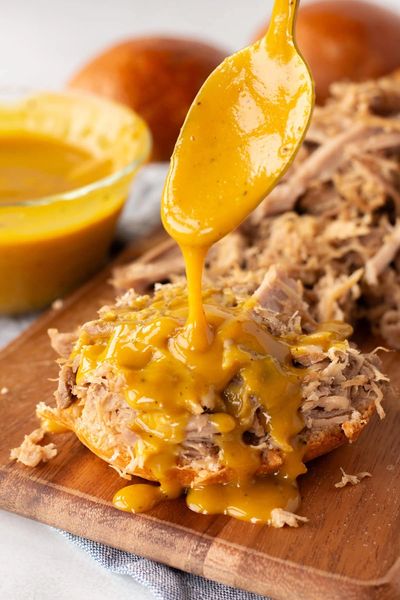
These German settlers brought their intensive European farming techniques, their Lutheran faith, and an absolute, unshakeable devotion to the mustard seed. Back in the old country, German cooks utilized sharp, yellow table mustard as the primary structural pairing for heavy, fatty meats like pork sausages, schnitzels, and roasts. When these Midlands farmers started attending local community pig pickings and plantation boils, they looked at the vinegar-basted pulled pork and decided it was missing its natural partner. They took the traditional coastal vinegar-and-pepper mop and enriched it with a heavy hand of yellow mustard, a splash of molasses or brown sugar for balance, and a few local spices.
The result of this three-way cultural collision was "Carolina Gold"—a thick, tangy, sweet-and-savory yellow sauce that cuts through the rich, heavy fat of wood-smoked pork like a knife. It was a glorious victory for human ingenuity, proving that when it comes to the stomach, entirely different worlds can find a way to agree. When you sit down today at an old-line South Carolina smokehouse, you are eating an animal of English origin, cooked by way of an African tradition, and dressed for a German palette.
A Southern Food History
The Real Carolina Gold: The Forgotten Rice of the Lowcountry
The history of the South Carolina Lowcountry can be traced directly through the engineering and cultivation of Oryza sativa. While other regional cash crops like indigo and tobacco saw their fortunes rise and fall with the shifting whims of the European market, rice was the permanent substrate of coastal society. It dictated the architecture of the grand townhouses along the Charleston Battery, carved out the physical contours of the coastal river valleys, and drove the dark, tragic demographics of the Transatlantic slave trade. At the center of this vast economic empire was a single heirloom seed known as Carolina Gold. It was a crop so staggeringly valuable that it was weighed out like bullion, traded across the globe as the undisputed aristocracy of starch, and used to build a planter elite that wielded absolute power for over two centuries. To analyze the trajectory of this golden grain is to examine the very foundations of Southern wealth, tragedy, and cultural identity.
In the final decades of the seventeenth century, the early Lords Proprietors of Carolina faced a severe economic crisis. The swampy, humid wilderness of the coastal plain was completely inhospitable to European small grains like wheat and barley, which rotted in the damp soil. The survival of the colony depended entirely on finding a reliable, high-yielding cash crop that could turn the waterlogged landscape into a source of profit. Historical consensus indicates that around the year 1685, the commercial trajectory of the region changed permanently when a Madagascar sea captain named John Thurber sailed his storm-damaged brigantine into the Charleston harbor. In exchange for the hospitality and repair services provided by local authorities, Thurber traded a single, half-bushel sack of seed rice to a local collector named Henry Woodward.
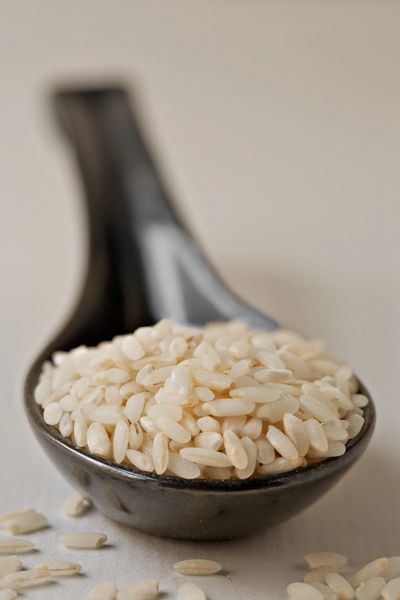
When planted in the rich, alluvial muck of the coastal swamps, this specific seed variant demonstrated an extraordinary vitality. It produced a long-grain crop wrapped in a brilliant, golden-hued husk that, when milled, revealed a pearly white kernel. Upon cooking, the grain possessed a distinct starch profile that allowed individual kernels to remain completely separate, fluffy, and firm. The local planters looked upon the rich yellow harvest shimmering in the coastal heat and christened the crop Carolina Gold.
However, while the physical seed arrived via European maritime trade, the English colonists, once again, lacked the agricultural intelligence required to cultivate a wetland grain on an industrial scale. British farming traditions offered no blueprint for managing a crop that required continuous submersion and precise irrigation. To resolve this technological deficit, Charleston merchants and British slave traders systematically targeted specific regions of West Africa where rice had been the dietary and economic staple for thousands of years. This geographic mandate permanently altered the execution of the Transatlantic slave trade, creating a targeted extraction of intellectual property from the region known explicitly in shipping manifests as the Rice Coast or Windward Coast, stretching through modern-day Senegambia, Sierra Leone, and Liberia. Planters paid an immense premium for human beings from these regions, explicitly demanding captives from the Mende, Temne, Mandinka, and Wolof ethnic groups because of their generational expertise in managing wetland agronomy. The rice empire was not built on generic agricultural labor; it was constructed upon the stolen technological genius of West African farmers.
The physical landscape of the Lowcountry remains an enduring monument to the forced labor and sophisticated engineering capabilities of this enslaved workforce. To prepare the land for Carolina Gold, thousands of laborers were forced into the lethal environment of the coastal swamps to execute a total topographical reorganization of the river systems. They cleared massive, ancient bald cypress forests, hacking out water-logged root systems by hand while standing knee-deep in stagnant water. Using only basic hand tools, they moved millions of tons of heavy alluvial mud to construct an intricate network of canals, quarter-drains, ditches, and massive perimeter dikes designed to fence out brackish salt water and harness the freshwater push of the interior rivers.
The operational pivot of this entire system was a highly sophisticated piece of West African technology known as the trunk, which was a wooden box-valve set directly into the earthen dikes. The trunk utilized the natural gravitational pull of the moon and the ocean tides to automate the irrigation of hundreds of acres simultaneously, completely eliminating the need for mechanical pumps. When the rising tide pushed the river's fresh water upstream, the outer gate of the trunk was raised, allowing the water to flood the rice fields to a uniform depth of several inches. This choked out competitive weeds while keeping the rice stalks nourished. When the tide turned and receded, the inner gate swung shut, trapping the fresh water inside. When it came time to harvest or dry-hoe the crop, the process was reversed, draining the fields completely dry at low tide. This massive, living machine operated in perfect synchronization with the natural rhythms of the coastal ecology, turning the wild tidal swamps into a highly disciplined, industrial production line.
The staggering wealth generated by Carolina Gold rice created a highly insular, aristocratic society centered in the urban mansions of Charleston and the sprawling river estates along the Cooper, Ashley, and Waccamaw rivers. By the mid-eighteenth century, Lowcountry planters were among the wealthiest individuals in the western hemisphere, developing a fiercely guarded cultural identity characterized by an elite social hierarchy, an intense focus on dynastic lineage, and unique linguistic cadences. This hyper-localized, eccentric environment later gave rise to a famous, sharp-edged piece of Southern folklore. In the post-Bellum era, as outside observers attempted to characterize the aristocratic insularity of the old Charleston elite—who clung to their traditional ways long after the economic collapse of the rice fields—a widely repeated aphorism emerged across the South to describe the distinct character of the local population.
It was said that the people of Charleston are very much like the Chinese because they eat a lot of rice, they speak a peculiar dialect that is difficult for outsiders to understand, and they spend an immense amount of time worshipping their ancestors.
While delivered with a dry, satirical wit, the aphorism accurately summarized the three structural pillars of Lowcountry identity. First, Carolina Gold rice was the absolute foundation of the local palate, served daily at every major meal across all socioeconomic lines, from breakfast porridge to formal dinners. Second, the distinct, aristocratic Charleston accent—characterized by clipped vowels and unique sentence structures—was heavily cross-pollinated by Gullah Geechee, a rich Creole language developed by the enslaved majority who outnumbered whites in coastal counties by ratios as high as nine-to-one. Finally, the elite maintained an intense preoccupation with family lineages, heraldry, and the preservation of historic antebellum property ownership through strict inheritance traditions that kept wealth concentrated within a small circle of families.
The structural fragility of the rice empire became clear immediately following the American Civil War. The complex, labor-intensive infrastructure required constant, meticulous upkeep, which disintegrated entirely following emancipation. Freedmen systematically refused to enter the disease-ridden rice pits to perform the dangerous, back-breaking manual labor that had broken the bodies of their ancestors under the plantation system.
Without a coerced labor force to maintain the dikes, the canals rapidly filled with silt and the wooden trunks rotted in the sun. A series of severe autumn hurricanes between 1893 and 1911 dealt the final blow, shattering the remaining river embankments and allowing brackish salt water to permanently contaminate the historic fields. Concurrently, the rise of mechanized, dry-land rice farming in the flat prairies of Texas, Louisiana, and Arkansas made the hand-cultivated methods of the Lowcountry completely obsolete, and commercial production of Carolina Gold ceased entirely by World War I.
For nearly eighty years, the legendary grain was considered a botanical ghost. However, in the mid-1980s, an eye surgeon and preservationist named Richard Schulze located a tiny, un-hybridized sample of the genuine seed that had been kept in cold storage by the United States Department of Agriculture seed banks. Schulze obtained the sample and successfully replanted it in a restored historic rice trunk along the Savannah River.
Working in tandem with agricultural scientists and regional farmers, the crop was brought back from near-extinction.
Today, Carolina Gold is once again cultivated and milled across the coastal South, valued by historians and chefs for its distinct historical integrity, rich nutty flavor, and a buttery aroma that modern industrial varieties cannot replicate. It stands as a permanent, living chapter in the culinary narrative of the South—a grain born of global trade, engineered by West African genius, and rescued from the mud so that the true flavor of the Lowcountry table might never be forgotten.
A Southern Food History
Watermelon Gospel
Among the foods most closely associated with the American South, few carry the emotional and historical weight of the watermelon. It belongs to the landscape as naturally as live oaks, church suppers, and long humid evenings. For generations, watermelon has occupied a place somewhere between agriculture and ritual. It appears at family reunions, political gatherings, revival meetings, fish fries, county fairs, and roadside produce stands. More than simply a seasonal fruit, it has become a symbol of Southern summer itself, woven into memories of rural life and communal eating across class and racial lines.
Yet the history of watermelon in the South is far more complicated than nostalgia alone suggests. The fruit’s story reaches across continents and centuries, touching ancient trade routes, slavery, Reconstruction, racial caricature, industrial farming, and the transformation of Southern agriculture. Few foods reveal so clearly the contradictions embedded within Southern history. Watermelon has represented freedom and ridicule, abundance and poverty, innocence and exploitation. To understand its place on the Southern table is to understand something essential about the South itself.
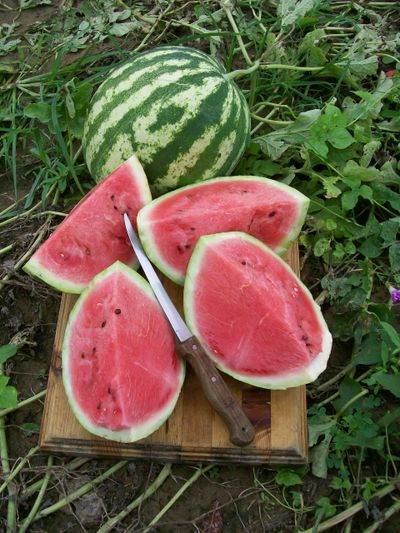
Watermelon originated in northeastern Africa, where wild melon varieties flourished in dry climates thousands of years ago. Archaeological evidence suggests that ancient Egyptians cultivated early forms of watermelon and placed them in tombs as provisions for the dead. Over time, the fruit spread through Mediterranean trade networks into Europe and eventually into the Americas through European colonization and the transatlantic slave trade. By the seventeenth century, watermelons were being grown throughout the American colonies, particularly in warmer climates where long summers and sandy soil encouraged successful harvests.
The Southern colonies proved especially hospitable to the crop. Watermelon thrived in heat and required relatively little maintenance once established. In plantation regions throughout the Carolinas, Georgia, Alabama, Mississippi, and Louisiana, enslaved Africans cultivated watermelons both for plantation owners and for themselves. Many enslaved families maintained small garden plots near their cabins where they grew vegetables, fruits, and herbs to supplement meager rations. Watermelon became one of the crops most commonly associated with these personal gardens because it yielded heavily and could be consumed fresh during the brutal Southern summers.
The fruit also occupied a unique economic role within enslaved communities. In some areas, enslaved people sold excess melons in local markets or along roadsides, earning small amounts of money independent of plantation control. Though such opportunities remained tightly constrained, they nevertheless offered limited forms of autonomy within a system designed to deny independence entirely. Watermelon therefore became connected, even before emancipation, to notions of self-sufficiency and personal enterprise among Black Southerners.
After the Civil War, those associations deepened significantly. During Reconstruction, newly freed Black farmers across the South cultivated and sold watermelons as cash crops because they required relatively modest capital investment and could be marketed quickly. Formerly enslaved people who possessed little land and few resources often found watermelon farming one of the most accessible ways to generate income. In towns and rural crossroads throughout the South, Black vendors sold whole melons and sliced watermelon from wagons, temporary stands, and local markets. The fruit became linked to the visible economic participation of freedpeople in Southern public life.
This emerging association between watermelon and Black independence soon provoked backlash from white Southerners unsettled by the social and political changes of Reconstruction. By the late nineteenth century, racist imagery increasingly portrayed Black Americans as childish, lazy, and excessively fond of watermelon. Minstrel shows, advertisements, postcards, and political cartoons used the fruit as a tool of ridicule, reducing Black citizenship and economic ambition to grotesque caricature. Historians have since noted that the stereotype developed precisely because watermelon had become associated with Black autonomy and commercial success. Mocking the fruit became a means of mocking freedom itself.
The stereotype spread nationally and persisted well into the twentieth century. Watermelon imagery appeared in advertisements, toys, household decorations, and popular entertainment, embedding racist assumptions deeply into American culture. In many contexts outside the South, the fruit became inseparable from demeaning depictions of African Americans. Yet within Southern Black communities, watermelon never lost its practical and cultural importance. Families continued growing it in gardens, selling it in markets, and serving it at gatherings despite the burden of racist symbolism imposed from outside.
At the same time, watermelon became increasingly central to Southern food culture across racial divisions. By the early twentieth century, it had established itself as a defining seasonal food throughout the region. Rural families anticipated watermelon season with the same certainty that they anticipated the arrival of tomatoes, peaches, and field peas. In an era before widespread refrigeration and industrial food distribution, watermelon remained deeply tied to local growing seasons. Its appearance marked the height of summer, particularly in agricultural communities where the rhythms of planting and harvest governed daily life.
The fruit’s popularity stemmed partly from its remarkable suitability to Southern climate. In regions where oppressive heat shaped everyday existence for months at a time, watermelon provided refreshment unlike nearly any other food. Chilled in springhouses, wells, or creek water before the advent of electric refrigeration, it offered relief from temperatures that rendered heavy meals almost unbearable. Its sweetness, high water content, and cooling qualities made it ideal for outdoor gatherings and communal meals during the hottest months of the year.
Watermelon also became deeply associated with roadside commerce and rural travel culture. As automobile travel expanded during the early twentieth century, produce stands emerged along highways throughout the South. Farmers sold peaches, tomatoes, boiled peanuts, cantaloupes, and stacks of watermelons directly from trucks or wooden roadside sheds. Hand-painted signs advertising “Ice Cold Watermelon” became familiar features of Southern roadsides. These stands represented both economic necessity and regional identity, allowing small farmers to supplement income while reinforcing the South’s image as an agricultural landscape rooted in seasonal abundance.
In many communities, watermelon evolved into the centerpiece of local festivals and civic celebrations. Towns throughout Georgia, Texas, Florida, and South Carolina established annual watermelon festivals that combined agricultural fairs with community rituals. Such events often included parades, beauty pageants, seed-spitting contests, and competitions for the largest melon.
These festivals reflected the importance of agriculture to local economies while also transforming watermelon into a symbol of regional pride and identity.
The rise of industrial agriculture during the twentieth century gradually altered both watermelon farming and the fruit itself. Earlier generations of Southern farmers cultivated numerous heirloom varieties that differed widely in shape, rind pattern, sweetness, and flesh color. Some varieties possessed pale pink interiors while others produced deep crimson flesh. Seeds were expected and often valued, both for planting and for roasting as snacks. Over time, however, commercial farming prioritized durability, uniformity, and transportation efficiency over diversity. Watermelons increasingly became standardized commodities suitable for long-distance shipping and supermarket display.
States such as Florida and Georgia emerged as major commercial producers supplying national markets. Refrigerated trucking allowed Southern-grown watermelons to reach consumers far beyond the region, transforming what had once been intensely seasonal and local into a mass-market product available across the country. The introduction and eventual dominance of seedless varieties further accelerated these changes. Although many older Southerners regarded seedless watermelons with skepticism, believing them less flavorful than traditional seeded varieties, convenience gradually reshaped consumer preferences.
Despite industrialization, watermelon retained much of its symbolic connection to Southern domestic life. In rural communities especially, the fruit continued to function as a centerpiece of communal eating. Churches served watermelon after homecomings and baptisms. Families sliced melons at reunions and fish fries. Political rallies, baseball games, and neighborhood gatherings frequently concluded with shared watermelon eaten outdoors beneath trees or on shaded porches. Unlike foods requiring elaborate preparation, watermelon encouraged spontaneity and collective participation. Its size practically demanded sharing.
Southern cooks also developed traditions for using parts of the fruit beyond the flesh itself. Watermelon rind preserves and pickles emerged from older patterns of resourcefulness common throughout Southern foodways, particularly in poorer households where waste was discouraged. The thick white rind, cooked slowly with sugar and spices or preserved in vinegar brine, became a way to extend the usefulness of a seasonal crop. Such recipes reflected broader Southern culinary habits shaped by necessity, preservation, and adaptation.
In recent decades, scholars and food historians have increasingly revisited the racial history surrounding watermelon in the United States. The fruit’s association with racist caricature has been reexamined within the larger context of Reconstruction and Black economic life. Historians now emphasize that watermelon stereotypes did not emerge accidentally or harmlessly but developed in response to the visibility of Black agricultural entrepreneurship after emancipation. Understanding this history has allowed many Southern writers, artists, and chefs to reclaim watermelon as part of a broader Black culinary inheritance rather than merely a symbol burdened by racist imagery.
At the same time, contemporary Southern food culture has elevated watermelon into new culinary settings. Modern Southern restaurants frequently incorporate the fruit into salads, cocktails, chilled soups, and refined seasonal dishes. Chefs experiment with grilling watermelon, pairing it with regional cheeses, or combining it with herbs such as mint and basil. While these preparations reflect evolving culinary trends, they also reveal the enduring emotional power of watermelon within Southern identity. Even in its most contemporary forms, the fruit continues to evoke memory, climate, and place.
Nevertheless, watermelon’s deepest significance in the South remains rooted not in restaurants but in ordinary experience. It persists as one of the few foods capable of transcending social divisions through shared familiarity. Across generations, Southerners have associated watermelon with childhood, summer heat, outdoor gatherings, and communal pleasure. Its presence signals abundance and leisure in a region historically shaped by agricultural labor and economic hardship.
The history of watermelon in the Southern United States therefore cannot be reduced to sentimentality alone. It is inseparable from the broader history of the South: from slavery and emancipation, from racial conflict and commercialization, from rural traditions and industrial transformation. Watermelon carries within it traces of African agricultural knowledge, Reconstruction-era Black enterprise, roadside economies, church gatherings, and modern culinary reinvention. Few foods contain so many layers of meaning beneath such apparent simplicity.
Even now, despite changes in agriculture and culture, the fruit retains an almost ceremonial connection to Southern summer. The sight of sliced watermelon on a picnic table or porch still evokes something immediate and recognizable within the Southern imagination. Its sweetness remains tied to heat, memory, and the rhythms of the land. For all the changes the South has undergone, watermelon continues to occupy a place at the center of its seasonal life, embodying both the pleasures and the contradictions that define the region’s food history.
A Southern Food History
Bread of the South
No food reveals the history of the American South more completely than cornbread. It sits at the center of the Southern table with a quiet authority that few dishes can rival. Cornbread accompanies collard greens, beans, barbecue, fried catfish, turnip greens, stews, and countless other staples of regional cooking. It appears at church suppers, funerals, holiday meals, and ordinary weeknight dinners. In many Southern households, cornbread has never been considered a side dish at all. It is simply part of the meal, as necessary as a plate or a fork.
Yet cornbread is far older than the South itself. Its story begins centuries before European colonization, rooted in the agricultural traditions of Indigenous peoples across North America. Long before wheat flour became common in Southern kitchens, Native communities cultivated corn as one of the foundational crops of life in the Americas. Corn sustained civilizations. It was dried, ground, boiled, roasted, fermented, and transformed into countless forms of nourishment. Early European settlers survived in large part because Indigenous communities taught them how to grow and prepare it.
In the Southeast, tribes such as the Cherokee, Creek, Choctaw, and Chickasaw developed sophisticated methods for cultivating corn in climates that challenged European grains. They ground dried kernels into meal using stone mortars and prepared simple breads cooked on hot stones or in earthen vessels. These early breads were practical, portable, and adaptable, requiring few ingredients beyond cornmeal and water. Their importance cannot be overstated. Corn was not merely food but a foundation of social and agricultural life throughout the region.
When European colonists arrived in the South during the seventeenth and eighteenth centuries, they brought with them culinary traditions centered largely on wheat and rye. But Southern conditions made those grains difficult and expensive to cultivate consistently. Corn, by contrast, flourished. Settlers quickly adopted Indigenous agricultural techniques and increasingly relied on cornmeal as a dietary staple. In many regions, cornbread became less a matter of preference than necessity.
The resulting bread differed significantly from European loaves. Wheat breads depended upon yeast, kneading, and long rising times, while cornbread could be mixed and cooked quickly. It required neither expensive flour nor specialized ovens. In poorer rural communities especially, cornbread emerged as the practical bread of everyday life. It filled stomachs cheaply and efficiently in a region where economic hardship remained common for generations.
By the eighteenth century, cornbread existed in many forms across the South. Some versions resembled dense hoecakes cooked on flat iron surfaces over open fires. Others took shape as ash cakes baked directly in hearth embers. Corn pone, perhaps the most iconic early Southern form, consisted of simple rounds or oblong pieces of cornmeal dough baked until firm and crusted. These breads often contained little more than cornmeal, salt, and water because milk, eggs, and wheat flour were scarce luxuries for many rural families.
The history of cornbread is inseparable from poverty. Throughout much of the South, especially in isolated agricultural regions, cornbread became associated with subsistence and survival. Small farmers, tenant laborers, and enslaved people frequently depended upon it as a dietary foundation. Alongside salt pork, molasses, greens, and beans, cornbread sustained generations through economic instability and seasonal scarcity.
Enslaved Africans played a major role in shaping Southern cornbread traditions. Working within plantation kitchens and their own cabin hearths, enslaved cooks adapted African culinary knowledge to the ingredients available in the American South. Corn itself, while native to the Americas, entered cooking traditions influenced by African methods of grinding grains, preparing porridges, and managing hearth cooking. Enslaved cooks developed countless techniques for handling cornmeal, balancing texture, moisture, and heat with remarkable precision despite limited resources.
The cast-iron skillet became central to this evolution. Heated with bacon grease or lard until nearly smoking, the skillet produced the crisp crust now considered essential to Southern cornbread. That crust represented more than flavor alone. It reflected the ingenuity of cooks working under difficult conditions, maximizing texture and richness with minimal ingredients. The sound of batter striking hot grease became one of the defining sounds of Southern kitchens.
Arguments over proper cornbread eventually became one of the South’s most enduring culinary debates. Nothing divides Southern cooks more reliably than sugar. Many Southerners insist true cornbread should contain no sweetness whatsoever, arguing that sugar belongs only in cake. Others maintain that lightly sweetened cornbread reflects legitimate regional traditions shaped by local tastes and available ingredients. The disagreement is not merely culinary but cultural, touching questions of class, geography, and authenticity.
Historically, the divide often reflected economics as much as preference. Poorer households throughout the nineteenth century rarely wasted expensive sugar on everyday bread. Unsweetened cornbread therefore became associated with rural hardship and agricultural practicality. Sweeter versions emerged more frequently in areas where refined ingredients became affordable through industrial food production and expanding commerce. Over time, however, these distinctions hardened into identity markers within Southern food culture.
Cornbread also developed profound symbolic significance during and after the Civil War. Confederate soldiers depended heavily on cornmeal rations, and many wartime accounts describe cornbread as both sustenance and monotony. In the devastated postwar South, cornbread remained central to diets because wheat flour was often prohibitively expensive. Reconstruction-era poverty reinforced the bread’s status as a staple of necessity rather than luxury.
At the same time, cornbread occupied an increasingly important role in Black Southern foodways after emancipation. Freed families continued traditions developed under slavery while adapting them to new circumstances. Cornbread accompanied greens, peas, and smoked meats in meals that would later shape what became known as soul food. The bread’s affordability made it indispensable during periods of economic exclusion and racial violence, particularly in rural areas where Black communities possessed limited access to wealth and land ownership.
By the late nineteenth and early twentieth centuries, cornbread had become deeply embedded in Southern identity across racial and class lines. Rural newspapers published recipes and advice columns debating preferred methods. Cornbread appeared at political rallies, church dinners, harvest gatherings, and family reunions. It became one of the few foods shared broadly throughout the region despite enormous divisions in wealth and power.
Industrialization slowly transformed cornbread just as it transformed other Southern foods. Commercially milled cornmeal replaced home-ground meal in many households. Packaged mixes simplified preparation. Chemical leaveners such as baking powder and baking soda altered textures, producing lighter and more cake-like breads than earlier generations would have recognized. The rise of electric ovens further changed crust formation and cooking consistency.
These developments expanded cornbread’s popularity while also standardizing it. Earlier Southern cooks often relied upon local varieties of corn whose flavor differed dramatically depending on region and soil. White cornmeal dominated in some areas, yellow meal in others. Freshly ground meal retained oils and aromas largely absent from mass-produced products. As industrial food systems expanded, much of this regional variation diminished.
Nevertheless, traditional forms persisted stubbornly throughout the twentieth century. In many Southern households, cornbread remained tied to inherited habits and family memory rather than written recipes. Measurements were estimated by hand. Batter consistency was judged visually. Skillet temperature was determined by instinct and sound. Knowledge passed through observation rather than instruction.
Few Southern foods inspire stronger emotional attachment. People remember grandparents crumbling cornbread into buttermilk glasses or serving wedges beside pots of pinto beans. Entire meals revolved around leftover cornbread transformed into stuffing, croutons, or breakfast mush fried crisp in bacon grease. Cornbread’s durability made it uniquely adaptable to rural life where little could be wasted.
Its connection to labor also remained powerful. Cornbread belonged historically to farming communities shaped by exhausting physical work. It provided dense, inexpensive calories necessary for survival in fields, mills, and factories. Unlike delicate pastries associated with urban refinement, cornbread projected practicality and endurance. It was food intended to sustain people through long days rather than impress guests with elegance.
Yet over time, Southern nostalgia elevated cornbread into something more symbolic. By the late twentieth century, restaurants and cookbooks increasingly presented cornbread as an emblem of regional authenticity. Cast-iron skillets became decorative shorthand for Southern heritage. Upscale chefs served artisanal cornbread alongside whipped butter and cane syrup in dining rooms far removed from the poverty that originally shaped the dish.
This transformation mirrors the broader evolution of Southern cuisine itself. Foods once associated with hardship and subsistence often become romanticized once economic conditions change. Cornbread, however, resists complete reinvention because its simplicity remains central to its identity. Attempts to make it excessively elaborate frequently feel disconnected from the traditions that gave it meaning in the first place.
Modern Southern chefs continue experimenting with cornbread through additions such as jalapeños, cheese, bacon, seafood, sorghum, and heirloom corn varieties. Some revive historic milling methods and regional grains nearly lost during industrialization. Others explore Indigenous and African influences more directly, reconnecting cornbread to the broader cultural histories from which it emerged. These efforts reflect a growing recognition that Southern food cannot be understood through nostalgia alone.
The story of cornbread is ultimately the story of adaptation. Indigenous agricultural knowledge, European settlement, African culinary labor, rural poverty, industrialization, and regional identity all converge within a single skillet. Few foods contain such a dense record of Southern history. Cornbread reflects conquest and survival, scarcity and invention, continuity and change.
Even now, despite endless culinary trends and transformations, cornbread remains one of the South’s defining tastes. A pan of cornbread placed at the center of the table still carries meanings that extend beyond flavor alone. It evokes family memory, regional belonging, and the enduring influence of older ways of living. Its scent rising from a hot cast-iron skillet remains one of the most recognizable aromas in Southern kitchens. For all its simplicity, cornbread embodies the complicated history of the South more completely than perhaps any other bread ever could.

A Southern Food History
The Pot of Greens
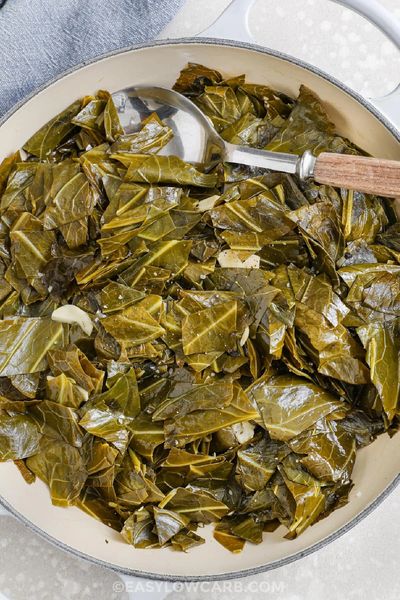
Few dishes express the history of the Southern table more completely than a pot of collard greens cooked low and slow with smoked meat. The dish appears humble at first glance, little more than leafy greens simmered for hours until tender. Yet beneath that simplicity lies a history shaped by migration, slavery, agriculture, poverty, religion, and survival. Collard greens are among the clearest examples of how Southern food emerged through the blending of African, European, and Indigenous traditions under conditions often defined by hardship and inequality.
In the modern South, collard greens occupy a place of near ritual importance. They appear at Sunday dinners beside fried chicken and cornbread, at New Year’s celebrations promising prosperity, at church gatherings, funerals, fish fries, and family reunions. Their scent drifting through a kitchen instantly evokes ideas of home and continuity for many Southerners, particularly within Black communities where the dish carries especially deep cultural significance. Though often categorized casually as “soul food,” collard greens belong to a much older and broader Southern history than that term alone can contain.
The collard plant itself predates the American South by thousands of years. Collards belong to the brassica family, cousins to cabbage, kale, mustard greens, and broccoli. Their origins trace back to the eastern Mediterranean and parts of Asia Minor, where hardy leafy greens were cultivated in ancient agricultural societies. Unlike tightly headed cabbage, collards produce loose leaves that tolerate heat, cold, and difficult growing conditions remarkably well. Their resilience made them valuable to peasant populations throughout Europe long before they crossed the Atlantic.
European settlers introduced collards into the American colonies during the seventeenth century. The crop adapted quickly to Southern climates, especially in regions where long growing seasons and mild winters allowed greens to flourish for much of the year. Collards proved practical for small farmers because they could survive frost, endure fluctuating temperatures, and provide dependable nutrition even when other crops failed. By the eighteenth century, greens had become established throughout Southern gardens and farms.
Yet the dish now recognized as Southern collard greens emerged most powerfully through African American culinary traditions forged during slavery.
Enslaved Africans brought with them extensive agricultural knowledge and sophisticated cooking techniques shaped by centuries of West and Central African food culture. Leafy greens already occupied an important place in many African cuisines, often prepared through long simmering methods that developed flavor while softening tough plant fibers. In the American South, enslaved cooks adapted these traditions to available ingredients, transforming collards into something distinctly Southern.
Plantation food systems profoundly shaped this development. Enslaved people were commonly allotted the least desirable cuts of meat, including ham hocks, fatback, neck bones, and smoked scraps discarded by slaveholders. These cuts required long cooking to become tender, making them ideal companions for hardy greens. Over time, the practice of simmering collards with smoked pork became foundational to Southern cooking. The meat flavored the pot while the greens absorbed salt, smoke, and fat, creating a dish far richer and more satisfying than its inexpensive ingredients might suggest.
The resulting broth, known throughout much of the South as “potlikker,” became almost as valued as the greens themselves. Rich with minerals, fat, and seasoning, potlikker was commonly sopped with cornbread or consumed directly. In poor households especially, nothing from the cooking pot could be wasted. Potlikker reflected the resourcefulness that shaped so much Southern cooking, where nourishment often depended upon extracting maximum flavor and nutrition from limited means.
Collard greens quickly became associated with survival. During slavery, they provided essential vitamins and calories to communities denied adequate food. After emancipation, they remained central to Black Southern diets because they were inexpensive, widely available, and relatively easy to grow. Small garden plots maintained by Black families throughout the rural South frequently included rows of collards alongside turnips, mustard greens, peas, and beans. These gardens represented both economic necessity and cultural continuity, preserving food traditions developed under conditions of severe hardship.
At the same time, collard greens crossed racial and class boundaries throughout the South. Poor white Southerners also depended heavily upon greens, cornbread, beans, and pork as dietary staples. In many rural regions, the cuisines of Black and white working-class communities overlapped substantially because both groups relied upon similar crops and preservation methods shaped by agricultural poverty. While segregation rigidly divided Southern social life, food traditions often revealed a more complicated reality of shared ingredients and mutual influence.
The agricultural structure of the South reinforced collards’ importance. Unlike delicate vegetables requiring precise conditions, collards tolerated neglect and difficult soil. They thrived in kitchen gardens maintained by tenant farmers, mill workers, and rural laborers. In some areas, families harvested leaves continuously throughout winter, ensuring a dependable food source during seasons when fresh produce became scarce. Their durability made them particularly valuable during periods of economic instability, including the Civil War, Reconstruction, and the Great Depression.
The long cooking time associated with collard greens also reflected the rhythms of Southern domestic labor. Pots of greens often simmered for hours over wood stoves while women balanced countless other household responsibilities. Cooking methods developed partly from necessity; tougher mature leaves required extended simmering to become tender. Over generations, however, the lengthy cooking process became culturally embedded as the proper way to prepare greens. The smell of collards cooking slowly throughout the afternoon became one of the defining sensory experiences of Southern home life.
Seasoning traditions varied across regions and households. Smoked pork remained most common, though some communities relied upon smoked turkey, beef bones, or entirely meatless preparations depending upon economics and religious practices. Vinegar pepper sauce frequently accompanied greens, adding brightness and heat to the richness of the pot. In coastal regions, seafood occasionally appeared alongside greens, while Appalachian cooks often combined collards with turnip or mustard greens depending on seasonal availability.
By the late nineteenth and early twentieth centuries, collard greens had become firmly embedded within what would later be recognized as Southern and soul food traditions. Black churches frequently served greens at communal meals and fundraising dinners. During the Great Migration, millions of African Americans carried Southern foodways northward into cities such as Chicago, Detroit, Philadelphia, and New York. Collard greens traveled with them, becoming symbols of continuity and cultural memory in unfamiliar urban environments.
The dish acquired additional symbolic meaning during this period. For many Black Americans living outside the South, collard greens represented connection to family roots and ancestral traditions. Restaurants specializing in Southern cooking introduced greens to broader audiences while reinforcing their association with Black culinary identity. At the same time, racist stereotypes frequently dismissed Southern Black food as unsophisticated or overly rustic, ignoring the creativity and historical depth embedded within these traditions.
During the twentieth century, changing agricultural systems and industrial food production altered the role of collards within Southern life. Commercial farming expanded availability while canned and frozen greens entered supermarkets. Urbanization reduced dependence upon home gardens, and many younger Southerners grew increasingly disconnected from older cooking traditions requiring hours of preparation. Nevertheless, collard greens retained remarkable staying power compared to many other regional dishes.
Part of that endurance stems from the emotional authority greens possess within Southern memory. Recipes are often inherited rather than written. Families debate proper seasoning methods with near-religious intensity. Some insist greens should cook for many hours until soft and deeply infused with smoked flavor, while others prefer brighter, firmer textures retaining more of the vegetable’s bitterness. Such disagreements reflect broader generational and regional shifts within Southern cooking itself.
Collard greens also became central to New Year’s traditions throughout the South, particularly within Black communities. Eating greens on New Year’s Day came to symbolize financial prosperity in the coming year, their folded leaves resembling paper money. The custom often accompanied black-eyed peas representing coins and cornbread symbolizing gold. Though interpretations varied, the meal reflected longstanding Southern beliefs linking food, luck, and communal hope.
In recent decades, collard greens have undergone something of a culinary reevaluation. As Southern food gained national prestige, chefs and food historians increasingly recognized the sophistication and historical significance of dishes once dismissed as simple country cooking. Contemporary Southern restaurants began serving collards alongside refined presentations and locally sourced ingredients. Some chefs returned to heirloom varieties and shorter cooking methods emphasizing the greens’ natural texture and flavor.
At the same time, scholars and writers have emphasized the central role African American cooks played in shaping Southern cuisine as a whole. Collard greens stand at the center of that conversation because their preparation so clearly reflects African culinary influence adapted under slavery and segregation.
To discuss collards honestly requires acknowledging the labor and creativity of generations of Black Southern women whose cooking traditions formed the backbone of the regional table while receiving little formal recognition.
Modern interest in health-conscious eating has also altered perceptions of collard greens. Long valued within poor communities for practical reasons rather than nutritional science, collards are now celebrated for their vitamins, fiber, and mineral content. Ironically, foods once associated with economic hardship are often repackaged as wellness cuisine for affluent consumers far removed from the conditions that originally shaped them.
Yet despite changing culinary fashions, collard greens remain deeply tied to ideas of Southern authenticity. Their preparation still resists speed and convenience. Proper greens require washing, trimming, chopping, simmering, seasoning, and patience. Even today, a pot of collards cooking on the stove suggests continuity with older rhythms of domestic life largely erased elsewhere in American culture.
The history of collard greens in the South is therefore not simply the history of a vegetable dish. It is the history of adaptation under pressure, of communities creating nourishment and meaning from limited resources. It reflects the agricultural realities of the South, the legacy of slavery, the persistence of
Black culinary knowledge, and the communal nature of Southern eating itself.
In many ways, collard greens embody the central paradox of Southern food. A dish born partly from deprivation and exclusion eventually became a source of pride, memory, and cultural identity. What began as survival cooking evolved into one of the region’s defining tastes. Even now, a pot of greens served with cornbread and smoked meat carries echoes of generations who endured hardship while preserving beauty and dignity through the act of feeding one another.
For all the transformations Southern life has undergone, collard greens remain rooted firmly at the center of its table, linking the modern South to histories far older and more complicated than the dish’s humble appearance might ever suggest.